Houston Businesses Have a Storage Problem. How Much of It Is Old Paperwork?
Somewhere in Houston, there’s a perfectly good office being used as a very expensive filing cabinet.
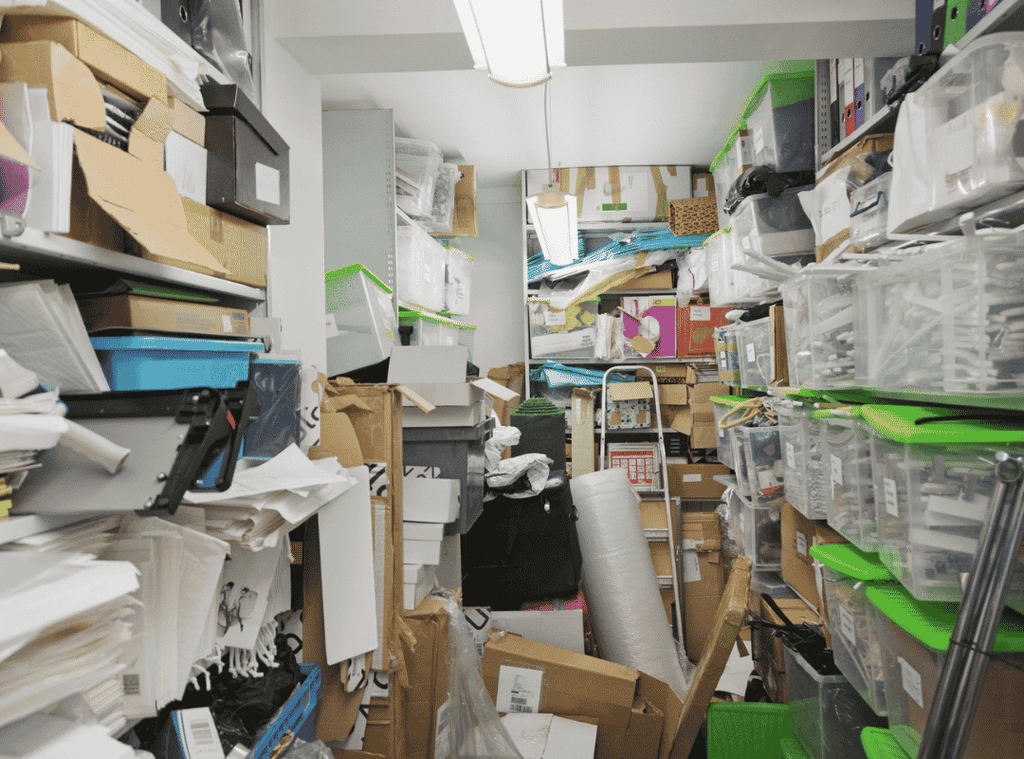
It probably didn’t start that way. Someone needed a place to put last year’s records, so a few boxes went into an empty room. Then another department added theirs. Eventually, someone brought in shelving, and the room became known as “records storage,” which sounded more intentional than what had actually happened.
Ten years later, nobody is quite sure what’s in there.
The office manager knows the boxes need to be dealt with, but there are customers to call, employees to manage and a hundred more pressing things on the calendar. Besides, some of those documents might need to be kept.
So the boxes stay.
It’s a familiar situation for businesses throughout Houston and the surrounding communities, from Sugar Land and Katy to The Woodlands, Humble, Pasadena, Beaumont and College Station. Whether it’s a medical practice, law firm, industrial facility or growing professional office, old paperwork has a way of claiming space long after anyone needs to look at it.
The question isn’t necessarily whether your business has too much paper. It’s whether you’re still paying to store paper that no longer serves a purpose.
How a Few Boxes Become a Storage Problem
Nobody usually decides to dedicate an entire room to outdated paperwork.
It happens gradually.
A business moves into a larger office in The Woodlands and brings along records from the previous location. A company in Pasadena finishes a project and boxes up years of documentation. A medical practice in Sugar Land replaces its filing system but keeps the old paper records while determining what must be retained.
Each decision makes sense at the time.
The problem is that nobody comes back to finish the job.
Eventually, filing cabinets become permanent fixtures, storage rooms fill up and employees start working around the boxes. In some offices, the paperwork moves into rented storage, where the business pays month after month to keep records it rarely accesses.
There may be legitimate reasons to retain those documents. But if nobody has reviewed them against the company’s records-retention policy in years, it’s worth finding out what actually needs to stay.
That Storage Room Is Costing You Something
The expense isn’t always obvious because it rarely appears on an invoice labeled “unnecessary paperwork.”
Instead, it shows up in other ways. You’re paying for square footage that could accommodate another employee, equipment or inventory. You’re renting an additional storage unit. Someone spends half an afternoon searching for a file that may not even be in the building anymore.
For businesses operating across Houston’s sprawling metro area, the problem can become even more complicated.
A company might have records at its main office in Houston, older files in Katy and additional boxes at a warehouse in Pasadena. Nobody has a complete inventory because each location developed its own storage habits.
That’s when a records cleanout becomes more than a housekeeping project.
It becomes an opportunity to review what’s being stored, why it’s there and whether the business still needs it.
The Hardest Part Isn’t Shredding. It’s Deciding What Can Go.
Ask an office manager why a box of paperwork from 2014 is still sitting on a shelf and there’s a good chance the answer will be, “I’m not sure we’re allowed to throw it away.”
That’s a reasonable concern.
Businesses may have legal, financial, regulatory and operational obligations to retain certain documents. Tax records, employee files, contracts, medical records and other business information can have different retention requirements.
There’s no universal rule that says everything older than seven years can be destroyed.
Before scheduling a large office cleanout, the appropriate person should review the records against the company’s retention schedule and confirm whether any legal holds, audits or other preservation requirements apply.
The IRS, for example, explains that business tax record retention depends on the type of record and the applicable limitations period. Some records must be retained longer than others.
Once records are approved for destruction, though, there isn’t much benefit in continuing to move them from one storage room to another.
And that’s where one-time bulk paper shredding can make a real difference.
The Day Someone Finally Says, “We’re Cleaning This Out.”
Usually, something triggers the decision.
Maybe the lease is ending. The company is expanding. A new office manager wants to reorganize. A warehouse needs the shelving back. Or someone opens the storage room door and realizes there is no longer a clear path to the back wall.
For businesses in Houston, Beaumont, College Station and surrounding communities, a large records purge doesn’t have to mean assigning employees to spend days feeding paper into an office shredder.
With mobile paper shredding, an industrial shredding truck comes to the business and destroys approved documents on-site.
A one-time purge can handle boxes of old records without turning the cleanout into a weeklong project for your staff.
It also gives businesses a controlled process for handling confidential material. Instead of putting old customer records, financial documents or employee information into ordinary recycling, those records are securely destroyed before the paper enters the recycling stream.
Secure Shredding and E-recycling is NAID AAA Certified, with independently audited information-destruction processes. Businesses also receive a Certificate of Destruction documenting the completed service.
What About Businesses With Several Locations?
Consider a company with an administrative office in Houston, a warehouse in Pasadena and another location in Beaumont.
Over time, each office has accumulated its own records. Some departments keep everything in filing cabinets. Others use banker boxes. One location may have a storage room full of paperwork left behind by employees who retired years ago.
A single records-retention policy is useful, but it doesn’t automatically mean every location follows the same process.
For multi-location businesses, a coordinated shredding program can help establish a consistent approach to collecting and destroying records that are no longer required.
That might mean a one-time purge at several locations, followed by scheduled shredding services at offices that continue to generate confidential paper.
A professional office in The Woodlands may need a locked shredding console near the copier. A medical practice in Humble might need several secure containers throughout the building. A growing business in Katy could need recurring service to prevent old records from accumulating again.
The right arrangement depends on how much confidential paper each location generates and how frequently it needs to be collected.
The Cleanout Usually Uncovers More Than Paper
There’s something else that tends to happen when businesses finally tackle an old storage room.
They find technology.
A few desktop computers from the last office renovation. Old laptops belonging to employees who left years ago. A box of hard drives that someone labeled “IMPORTANT.” Maybe an outdated server or a stack of monitors.
Those items shouldn’t simply be mixed into the paper-shredding job.
Computers, hard drives and other electronics may still contain confidential business information, even if they haven’t been used in years. Depending on the equipment, businesses may need hard drive destruction, IT asset disposition (ITAD), electronics recycling or IT asset remarketing.
It’s worth checking for retired technology while planning the cleanout so both the paper records and data-bearing electronics can be addressed appropriately.
How to Start Without Making It a Major Project
You don’t need a perfect inventory of every document before requesting a shredding quote. You do need to know what has been approved for destruction.
A practical place to begin is with five steps:
- Identify where the records are stored. Check filing cabinets, storage rooms, warehouses and any off-site storage units.
- Review retention requirements. Have the appropriate person determine which records can be securely destroyed and which must remain.
- Estimate the volume. Count standard file boxes, larger storage boxes or other containers. A reasonable estimate is enough to begin the conversation.
- Consider access. Note whether the records are upstairs, in a warehouse, behind a secured entrance or spread across multiple buildings.
- Schedule a mobile shredding service. Arrange on-site destruction for approved records and retain the Certificate of Destruction for your business records.
For businesses that continue generating confidential paperwork, it’s also worth asking whether secure collection containers and recurring service would prevent the same problem from developing again.
Don’t Let the Storage Room Fill Up Again
A one-time office cleanout can free up space, but it doesn’t necessarily change the habits that filled the room in the first place.
If employees regularly generate confidential documents, give them a convenient, secure place to put records approved for destruction.
Locked shredding containers and scheduled mobile shredding can keep confidential paper from accumulating in unlocked boxes, filing cabinets or piles beside the copier.
That way, the next time your business needs more office space, you won’t have to start by figuring out what to do with ten years of paperwork.
Frequently Asked Questions About Commercial Shredding in Houston
Can a mobile shredding truck handle a large office cleanout?
Yes. Mobile shredding trucks use industrial shredding equipment designed to process larger quantities of paper than typical office shredders. Businesses can schedule one-time purge shredding for records rooms, filing cabinets and accumulated boxes of documents.
How much does bulk paper shredding cost in Houston?
Pricing depends on the volume of paper, service location, building access and whether the job requires one-time or recurring service. Providing an estimated number of boxes and details about where they’re stored helps the shredding company prepare an accurate quote.
Does Secure Shredding and E-recycling serve businesses outside Houston?
Secure Shredding and E-recycling serves the Houston market and can discuss service needs in surrounding communities, including Sugar Land, Katy, The Woodlands, Humble, Pasadena, Beaumont and College Station. Scheduling and availability depend on the specific location and project.
Can businesses shred old financial and employee records?
Yes, once those records are approved for destruction under the organization’s retention policy and any applicable legal requirements. Confidential business records should be securely destroyed rather than placed in ordinary trash or recycling.
Is one-time shredding or scheduled shredding better for my business?
One-time shredding works well for a defined backlog, office relocation or records cleanout. Scheduled shredding is generally better for businesses that generate confidential paper regularly and want secure collection containers with recurring pickups.
Your Storage Room Could Be Something More Useful
That room full of boxes might become another office, a supply room or simply a space where employees can find what they’re looking for.
Whatever you decide to do with it, old paperwork shouldn’t be the reason you can’t use it.
Secure Shredding and E-recycling provides commercial paper shredding, mobile shredding, one-time purge shredding and scheduled shredding services for businesses throughout the Houston area.
Whether you’re cleaning out a Houston office, managing records in Sugar Land or Katy, or coordinating a larger project in The Woodlands, Humble, Pasadena, Beaumont or College Station, we can help you determine the right approach for your business.
Contact Secure Shredding and E-recycling to request a commercial shredding quote.
Call Us Today! 1-(833) 747-3399